Noise Pollution Around Schools: Observe, Understand, Reduce
A practical, safety-first guide to observing traffic noise near schools and planning proportionate improvements.
What counts as noise pollution?
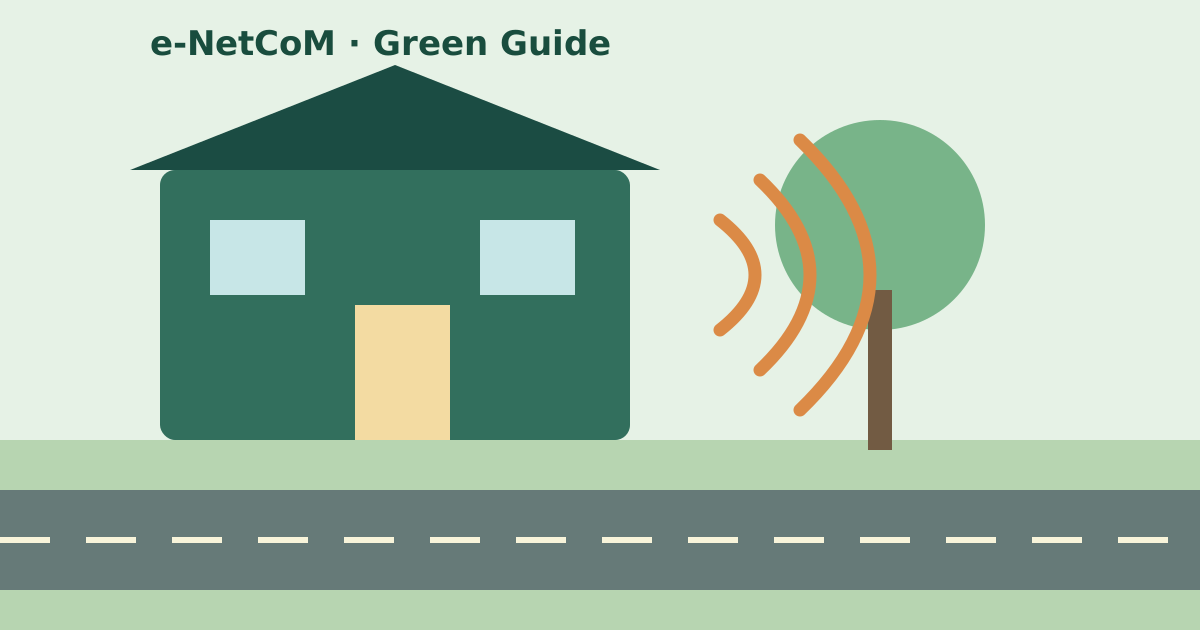
Noise is more than simply loud sound: unwanted or distracting sounds can interfere with concentration and rest. Traffic, horns, construction and busy entrances create changing soundscapes around schools.
Sound level and exposure
Decibels (dB) use a logarithmic scale. A short loud event and prolonged moderate exposure are not equivalent. A single phone reading cannot establish a health hazard or a breach of legal limits; duration, equipment and method matter.
Where school noise comes from
Map classrooms, playgrounds, entrances and nearby roads before observing. Record types of sound rather than people's conversations. Do not collect identifiable images, voices or personal information about children.
A safe observation plan
With teacher supervision, select three safe points within school grounds, away from moving traffic. Observe for equal periods, preferably with the same device. Note the time, weather and whether lessons or breaks are under way.
What measurements cannot prove
Phone apps are not substitutes for calibrated sound-level meters. Treat their readings as classroom comparisons, not regulatory evidence. Wind, device position and occasional horns can distort results.
Practical ways to reduce noise
Identify quieter zones. Maintain doors and windows, consider appropriate soft interior surfaces and encourage drivers not to sound horns unnecessarily near the entrance. Work with school leaders and relevant authorities on traffic changes.
A 40-minute classroom activity
Spend ten minutes mapping sources, fifteen minutes observing from safe locations, ten minutes comparing notes and five minutes selecting one realistic proposal. Never send pupils to roadside locations unsupervised.
A seven-day action plan
Day one establishes a baseline; days two and three compare times of day. On day four discuss options; on day five prepare a simple awareness poster. Repeat observations on day six and share findings, including uncertainty, on day seven.