Use-by and Best-before Dates: Food Safety Without Waste
Understand use-by versus best-before labels, safe storage and practical ways to prevent avoidable food waste.
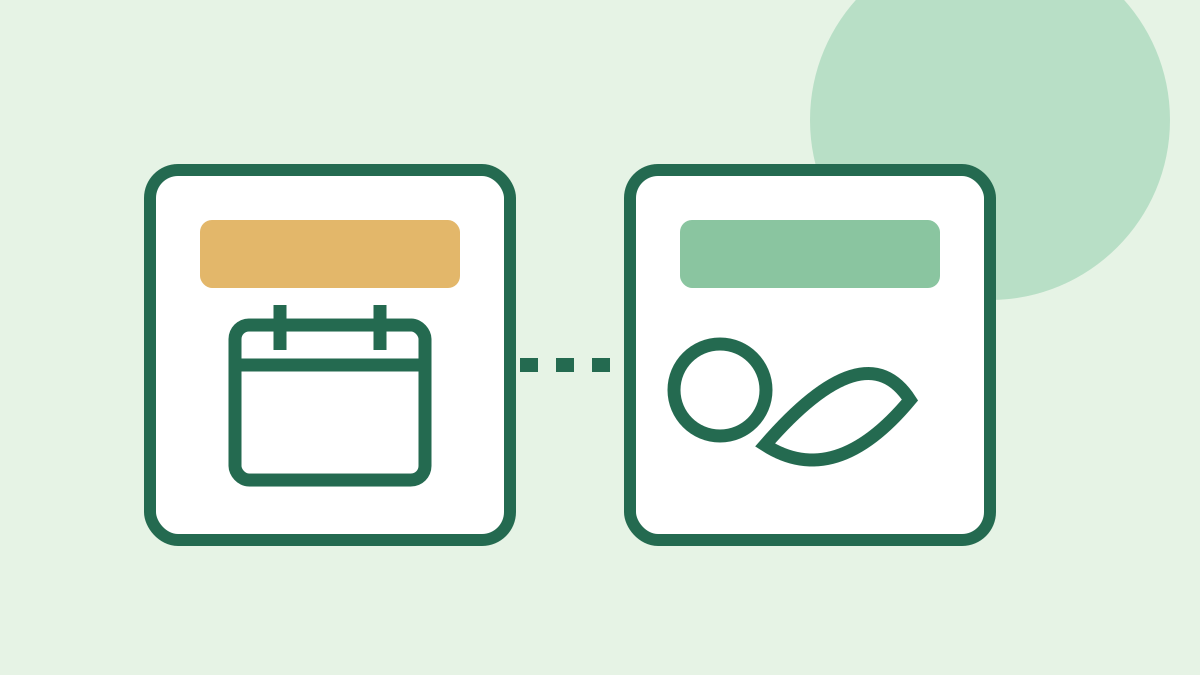
Two dates, two different purposes
Date labels help people make different decisions. A use-by date concerns food safety, while a best-before date indicates expected quality when a product has been stored as directed. Confusing the two can create either unnecessary waste or unsafe choices. Local labelling rules and the manufacturer's instructions remain essential.
Use-by: a safety deadline
Do not eat food after its use-by date, even if it looks and smells normal. Harmful microorganisms cannot always be detected by sight or smell. The date assumes that the food was stored correctly throughout its shelf life; poor storage can make a product unsafe sooner.
Best-before: a quality indication
A best-before date does not automatically make food unsafe once it passes. Taste, texture and other quality attributes may deteriorate. Assess the type of product, package integrity, storage history and any signs of spoilage. When in doubt, discard it; never apply this reasoning to a use-by date.
Storage conditions change the picture
Refrigeration, transport and opening the package all affect safety. Follow temperature instructions and any separate directions for consumption after opening. A printed date is not a substitute for good hygiene or proper storage.
Read a label systematically
Find the exact wording next to the date. Read the storage temperature, the instructions after opening and the package condition. Distinguish a use-by deadline from a best-before quality date. If the label is illegible or the storage history is unknown, avoid taking risks.
Practical habits at home
Check what you already have before shopping. Buy realistic quantities and arrange foods so earlier dates are visible. Chill leftovers promptly and follow safe storage guidance. Waste prevention starts with planning; it should never mean eating food that may be unsafe.
A safe classroom activity
Under teacher supervision, pupils can classify sample package-label photographs without opening or tasting food. Record the date wording, storage directions and any uncertainty. Avoid collecting brands unnecessarily or recording personal information.
Common misconceptions
Smell alone cannot establish that food past its use-by date is safe. Equally, a best-before date is not an automatic disposal instruction. National food-safety requirements and manufacturer guidance take precedence.
A three-step decision guide
- Does the label say use by? Do not eat the food after that date. Smell and appearance cannot prove it is safe.
- Does it say best before? Passing the date does not automatically require disposal. Consider the food category, intact packaging and storage history; discard if spoilage is suspected.
- Was it opened or stored incorrectly? Follow the manufacturer's instructions for temperatures and use after opening. The printed date alone is not a safety guarantee.
Example: A best-before date on unopened dry pasta is not interpreted in the same way as a use-by date on a chilled perishable food. Product type and storage conditions matter.
Sources and further reading
EU sources explain the concepts; always follow the food safety rules applicable where you live.